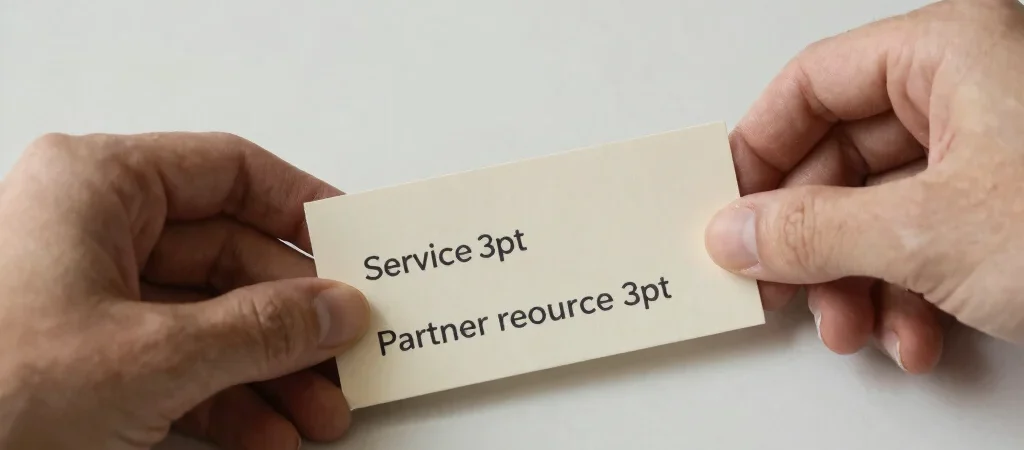
On a bio link page, people often make their choice in a quick scan. A vague label such as “Explore” asks them to click before they know what they are choosing. Beemarkstore’s labels should answer the small but important question first: what this link leads to.
Name the Actual Destination
Use the clearest accurate name for the offering, service, resource, or partner page. “Owner’s consulting services” gives a different expectation from “Partner resource,” while “Read the guide” is more informative than “Click here” when the destination is a guide. Keep the wording concise, but do not cut the detail that helps a visitor choose.
Make the Relationship Plain
The label and nearby context should distinguish an in-house offering from an affiliate link or sponsored link. Do not rely on a visitor to infer the relationship from a logo, a different color, or the destination URL. If a recommendation is affiliated or sponsored, say so plainly before the visitor follows it.
Check Labels After Every Edit
When a destination changes, review its label as well as its URL. A link titled “Book a service” should not quietly begin leading to a partner page, and a partner label should not remain after the route has changed. Read the page as a first-time visitor: each label should make sense without extra explanation from the owner.

- MindWare KEVA Structures 600 Plank Wooden Building Blocks Set – Free-Form 3D Structure Building Set for Kids – Includes …
- Wooden Building Toys That Teach: Builders gain first-hand experience with balance, leverage, geometry and the principles…
- Architecture for Kids Set: Build an entire city or an enormous sky scraper; create castles complete with stairs and turr…